Have you ever considered how the health of your gut could impact not just your digestion but also your mood and energy levels? The gut-brain axis is a powerful connection that highlights the intricate relationship between our digestive health and overall well-being.
What You Will Learn
The gut-brain axis plays a critical role in regulating mood, appetite, and metabolic health.
A diverse microbiome is essential for effective energy metabolism and overall health.
High-fiber foods and fermented options can significantly enhance gut health and mood.
Understanding gut-brain communication pathways can help optimize dietary choices for better health outcomes.
The Gut-Brain Connection: A Metabolic Health Overview
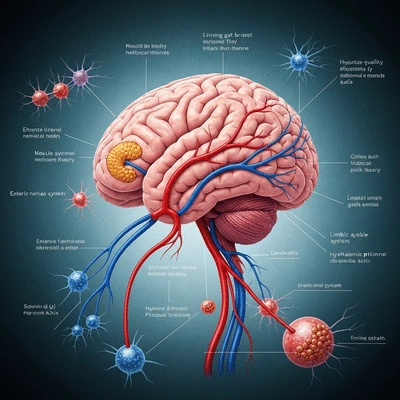
This visual summarizes the key aspects of the gut-brain axis, highlighting its influence on metabolic health through various pathways and the importance of microbial diversity.
Gut-Brain Connection Basics
A two-way communication network influencing metabolic health, mood, and appetite control.
•**Gut Health:** Balanced microbiome for digestion & absorption.
•**Mood Regulation:** Neurotransmitter production (e.g., serotonin).
Understanding the Gut-Brain Axis: A Connection to Metabolism
The gut-brain connection is a fascinating and intricate relationship that plays a significant role in our overall health and metabolism. This connection highlights how our gut health can influence not just our digestive system but also our mood, energy levels, and even our cravings! By understanding this relationship, we can better appreciate how to nurture our bodies and make sustainable dietary choices.
When we talk about the gut-brain axis, we’re referring to the communication network between our gut and our brain. This connection is essential for regulating appetite, mood, and even our immune response. As someone who has spent over a decade helping individuals navigate their weight management journeys, I cannot stress enough the importance of this connection in our daily lives!
Defining the Gut-Brain Connection and Its Importance
The gut-brain connection is essentially a two-way street, where signals travel up and down between the gut and the brain. This communication influences key aspects of metabolic health. Research, such as that published in PMC Articles, emphasizes the critical role of these signals. For instance, when our gut microbiome is healthy, it produces a variety of signaling molecules that can enhance our mood and promote a feeling of well-being. Conversely, when gut health is compromised, it can lead to feelings of anxiety or depression, which can, in turn, affect our eating habits.
Gut Health: A balanced microbiome contributes to better digestion and nutrient absorption.
Mood Regulation: A healthy gut can produce neurotransmitters that improve mood, such as serotonin.
Appetite Control: The signals from the gut can help regulate hunger and fullness cues effectively.
Understanding these signals is crucial in making informed decisions about our diet and lifestyle, leading to better weight management outcomes.
How the Gut Microbiome Influences Metabolic Health
Your gut microbiome consists of trillions of bacteria that play a vital role in your overall health, including metabolism. Research shows that a diverse microbiome can enhance energy metabolism, influence fat storage, and even affect how we respond to different foods. It’s fascinating to consider how these tiny organisms impact our daily lives!
Diverse Microbiota: A varied microbiome helps in breaking down complex carbohydrates.
Nutrient Production: Certain gut bacteria can synthesize essential vitamins and nutrients.
Metabolic Regulation: The microbiome communicates with the brain to regulate energy balance.
As we focus on building a healthy microbiome, we can potentially improve our metabolic health and support our weight management goals. It’s all about creating a balanced environment for these beneficial bacteria to thrive!
The Impact of Gut Microbial Diversity on Metabolic Function
Recent studies, including those highlighted by Stanford Medicine, have shown that a diverse gut microbiome is linked to better metabolic health and reduced risk of obesity. Greater diversity in gut bacteria can lead to improved digestion and nutrient utilization, which is beneficial for maintaining a healthy weight. Think of your gut as a bustling city, where each strain of bacteria contributes to the overall function and vitality of the community!
High Diversity: More varieties of gut bacteria can lead to better metabolic flexibility.
Reduced Inflammation: A healthy microbiome can help manage inflammation, which is linked to chronic diseases.
Improved Insulin Sensitivity: Diverse gut bacteria can enhance insulin sensitivity, aiding in weight management.
By focusing on nurturing this diversity through our diets, we can support not only our gut health but also our overall metabolic function. Let's embrace the power of nutrition in cultivating a thriving gut environment!
Key Mechanisms of Gut-Brain Communication
Neural, Hormonal, and Immune Pathways
The communication between our gut and brain happens through various pathways, including neural, hormonal, and immune signaling. For instance, the vagus nerve serves as a significant communication line, sending signals between the gut and the brain. This connection also includes neurotransmitters and hormones that influence our metabolic processes. Understanding these intricate pathways is crucial, as explored in articles like those found in Nature Communications.
Neural Pathways: The vagus nerve plays a critical role in sending signals about hunger and fullness.
Hormonal Signals: Hormones like ghrelin and leptin are crucial for regulating appetite and satiety.
Immune Signaling: Gut health influences immune responses which can affect metabolism and inflammation.
Understanding these pathways helps us appreciate the complexity of our body systems and the nutritious choices we can make to optimize this communication!
Pro Tip
To further enhance your gut health and metabolism, consider incorporating a variety of fermented foods into your diet. Options like kimchi, sauerkraut, and kombucha not only boost your gut microbiome but also provide beneficial probiotics that can improve digestion and overall well-being. Remember, a diverse gut microbiome is key to effective metabolic health!
Summarizing Key Insights on Nutrition and Metabolism
As we wrap up our discussion on the gut-brain connection, it's important to highlight how this relationship can empower you to make informed dietary choices. Understanding how your gut health influences your metabolism can help you choose foods that promote well-being and support weight management. Knowledge is power, and when it comes to nutrition, knowing what fuels your body is crucial!
For instance, recognizing the impact of high-fiber foods and fermented options can lead to better digestion, improved mood, and enhanced metabolic function. Empowering yourself with this knowledge means you're more likely to make choices that align with your health goals. Let's take a look at some of the key insights we've explored:
The gut-brain axis influences not just digestion but also mood and appetite.
A diverse gut microbiome is essential for metabolic health.
High-fiber foods, probiotics, and prebiotics all play roles in enhancing gut health.
Frequently Asked Questions (FAQs)
Q: What is the gut-brain axis?
A: The gut-brain axis is a two-way communication network between your gut and your brain that influences metabolic health, mood, appetite control, and overall well-being.
Q: How does the gut microbiome affect metabolism?
A: The trillions of bacteria in your gut microbiome play a vital role in metabolism by influencing energy metabolism, fat storage, and how your body responds to different foods. A diverse microbiome can efficiently break down carbohydrates and produce essential nutrients.
Q: Why is microbial diversity important for metabolic health?
A: A diverse gut microbiome is linked to better metabolic health and a reduced risk of obesity. High diversity leads to better metabolic flexibility, reduced inflammation, and improved insulin sensitivity, all of which aid in weight management and chronic disease prevention.
Q: What are the main communication pathways between the gut and the brain?
A: The gut and brain communicate through neural pathways (like the vagus nerve), hormonal signals (such as ghrelin and leptin regulating appetite), and immune signaling, all of which impact metabolic processes and inflammation.
Q: What dietary changes can improve gut health and metabolism?
A: Incorporating high-fiber foods, prebiotics, and a variety of fermented foods (like kimchi, sauerkraut, and kombucha) can significantly enhance gut health, boost your gut microbiome, and improve digestion and overall metabolic function.
Next Steps: Implementing Nutrition Tips for Metabolic Health
Now that you have a solid understanding of the gut-brain connection, it's time to take action! I encourage you to try the meal plan we've discussed, which is designed to boost your metabolism while incorporating key gut-friendly foods. Start by monitoring how these changes affect your health and well-being.
Also, consider tailoring your nutrition plan to fit your unique lifestyle and needs. Whether you're a busy professional, a parent juggling responsibilities, or just someone looking to feel better, personalized nutrition is key. Here are some next steps you can take:
Experiment with new high-fiber recipes that excite your palate.
Incorporate fermented foods like yogurt or kefir into your daily routine.
Keep a food diary to track how different foods impact your mood and energy levels.
Your Gut Health Journey: Questions and Support
Your journey toward better gut health is unique, and I want to hear about it! If you have questions or experiences to share about your gut health and nutrition, please leave a comment below. I’m here to provide support and guidance as you navigate your path to improved well-being.
Remember, seeking professional guidance tailored to your needs can also be incredibly helpful. Whether you connect with a nutrition coach like myself or a health professional, having that support can make all the difference. So, let’s start the conversation—your gut health journey is just beginning!
Recap of Key Points
Here is a quick recap of the important points discussed in the article:
The gut-brain axis significantly influences digestion, mood, and appetite.
Maintaining a diverse gut microbiome is essential for optimal metabolic health.
Incorporating high-fiber foods, probiotics, and prebiotics can enhance gut health.
Understanding neural, hormonal, and immune pathways helps optimize gut-brain communication.
Personalizing nutrition based on individual needs can improve overall well-being.
Grace Holloway
Grace Holloway is a dedicated health enthusiast and certified nutrition coach with over a decade of experience in helping individuals achieve their weight management goals. With a passion for evidence-based practices, Grace combines her extensive knowledge of nutrition and fitness to provide practical advice that resonates with busy adults. Her approachable style and commitment to sustainable health inspire readers to make informed choices for lasting lifestyle changes.
Popular Posts
Which Diet Fits Your Lifestyle?
What if the key to lasting health lies not in quick fixes, but in science? Understanding diets backe
Weight Loss Newsletter is dedicated to empowering busy adults with practical, science-backed strategies for sustainable weight management. Our mission is to demystify nutrition and fitness, equipping you with actionable insights for lasting lifestyle changes.
Have you ever found yourself staring into your pantry, wondering why you just can’t seem to make healthier choices? You’re not alone! Achieving your weight loss goals can start right in your kitchen.
Think about the last time you felt truly energized after a meal. The power of nutrition lies not just in what you eat, but in how it makes you feel. Fuel your body, don't drag it down!
Let’s talk about exercise—not the dreaded chore, but rather as a joyful expression of movement. Find joy in movement and let those endorphins work their magic!
As you embark on your journey toward sustainable weight loss, remember that it’s not just about the destination; it’s about the steps you take to get there. Celebrate each victory!
Small, consistent changes lead to monumental shifts. What one simple step can you take today to move closer to your weight management goals? Start now!