Hidden Toxins: Roadblocks to Weight Loss
- • Heavy Metals
- • Pesticides
- • BPA & Phthalates
- • Seed Oils
- • MSG
Impact
Consider the impact of your food choices not only on your weight but also on your overall health. By adopting clean eating habits, you can transform your lifestyle, nourish your body, and achieve your weight management goals.
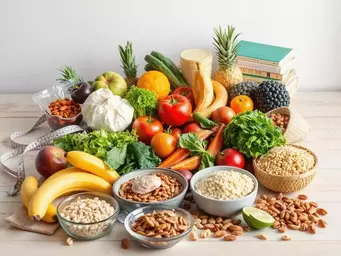
This visual summarizes the relationship between hidden toxins, processed foods, and clean eating principles for effective weight management.
When we talk about clean eating, we’re really diving into a lifestyle choice that emphasizes whole, unprocessed foods. It's about nourishing our bodies with the best possible nutrients while avoiding hidden chemicals that could sabotage our health. Clean eating isn't just a trend; it's a foundational approach to effective weight loss. By focusing on nutrient-dense foods, we can foster a sustainable relationship with food that supports our weight management goals.
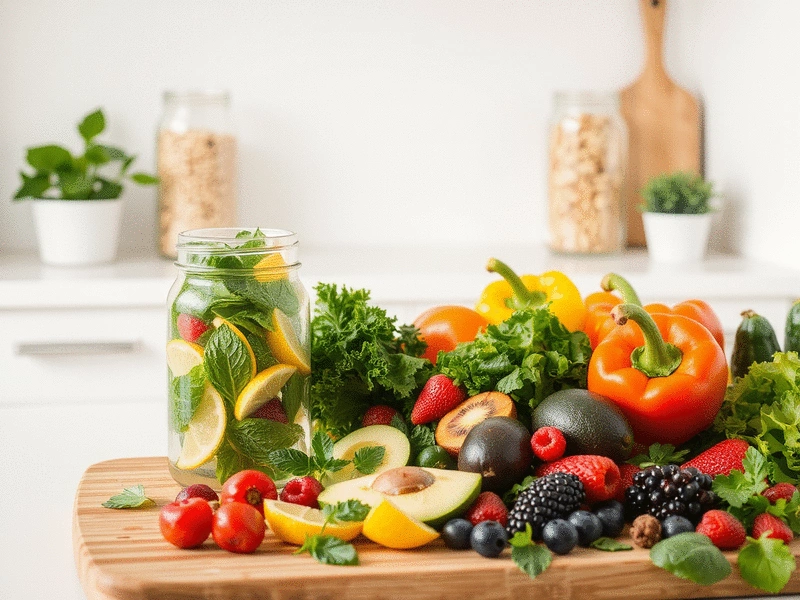
For many of us, the journey begins with understanding what we’re putting into our bodies. Imagine stepping into your kitchen and feeling empowered by the choices you make. Clean eating encourages you to fill your plate with vibrant fruits, vegetables, whole grains, and lean proteins, steering clear of processed foods laden with artificial additives.
At its core, clean eating is about choosing foods that are as close to their natural state as possible. This means prioritizing whole foods over processed ones. For instance, opting for organic vegetables instead of canned or frozen options can significantly impact your health. It's not just about what you eat; it's also about how that food is sourced and prepared.
By implementing these simple guidelines, you can begin to see changes not just in your weight but also in your overall well-being. According to an article on clean eating and health, this approach creates a strong foundation for sustained energy, clearer skin, and improved digestion, all crucial for those managing their weight.
Hidden toxins in our food can be major roadblocks on the path to effective weight loss. Many people are unaware that everyday items—such as pesticides or artificial additives—can hinder our metabolism and promote fat storage. These substances can interfere with hormone regulation, leading to weight gain or difficulty losing weight. Research by Adam Simpson highlights the hidden dangers of processed food, emphasizing how these compounds disrupt natural body processes.
These hidden culprits can lurk in our favorite snacks and meals, making it essential to be vigilant. By recognizing their presence and making conscious food choices, we can mitigate their impact on our bodies and support our weight loss journeys.
As we navigate our clean eating journey, being aware of common toxins is crucial. These harmful substances can be found in everyday foods, often without our knowledge. Let’s discuss some of the main offenders that can negatively affect our health:
By becoming aware of these toxins, we can take proactive steps to minimize our exposure. As a nutrition coach, I often tell my clients that knowledge is power! Making informed choices can lead to significant health improvements.
Processed foods and GMOs (genetically modified organisms) pose additional challenges for those aiming to eat clean. These products often contain added sugars, unhealthy fats, and other preservatives that can disrupt our body’s natural systems. Regular consumption of these foods is linked to various health risks, including obesity and chronic diseases. The importance of predicting hidden toxins in vital food supply chains is a growing concern, as even seemingly healthy foods can contain harmful residues.
Furthermore, GMOs may affect the biodiversity of our food supply and can lead to increased pesticide use, further exposing us to harmful chemicals. It's essential to consider both the nutritional content and the potential risks associated with these foods.
Learning how to read food labels can be a game-changer in your clean eating journey. Here are a few practical tips:
By taking the time to analyze labels, you empower yourself to make healthier choices. In my experience, clients who actively engage in this practice feel more confident and in control of their nutritional journey.
Did you know? Incorporating a variety of colors into your meals isn't just visually appealing; it's also a great way to ensure you're getting a wide range of nutrients. Aim to fill your plate with foods that span the color spectrum—from leafy greens and vibrant reds to deep blues and yellows. This not only enhances the nutritional value of your diet but can also make healthy eating more enjoyable!
In our journey through clean eating, it’s clear that identifying and avoiding hidden toxins is crucial for effective weight loss. By prioritizing whole, unprocessed foods, we can significantly reduce our exposure to harmful substances that may hinder our body's ability to shed pounds. Remember, focusing on clean eating not only benefits our waistlines but also boosts our overall health!
Emphasizing the importance of a clean diet means paying attention to what we consume. As we discussed, toxins like heavy metals, pesticides, and additives can disrupt our metabolism. By making informed choices, we can cultivate a healthier relationship with food and set ourselves up for long-term success. A study published in PMC NCBI further supports the idea that dietary interventions focusing on whole foods can positively impact metabolic health.
Now that we have the tools to identify toxins and understand clean eating, it’s time to take action! I encourage you to implement the strategies we've covered and consider taking a personalized quiz for toxin risk assessment. This quiz can help you pinpoint specific areas where you might improve your diet and lifestyle.
Taking small, consistent steps towards clean eating will not only help you achieve your weight loss goals but also pave the way for a more vibrant life. Let’s embrace this journey together and celebrate the positive changes we can make!
If you're eager to dive deeper into the world of clean eating and its benefits, here are some valuable resources that can help:
These articles provide a wealth of information to help you understand the science behind clean eating and how it can transform your health. I often refer to these resources in my practice, and I believe they can empower you on your journey!
Meal prep is a game-changer when it comes to maintaining clean eating habits. Here are some quick tips to help you get started:
By taking the time to prepare your meals and practice portion control, you can more easily stick to your clean eating goals. It makes healthy choices convenient and accessible, especially for busy adults like us!
Lastly, connecting with a clean eating community can provide immense support as you embark on this journey. Sharing experiences, recipes, and tips with others can be incredibly motivating. Consider joining online forums, social media groups, or local meet-ups where you can:
The journey towards clean eating and sustainable weight loss is much more enjoyable when you have a community to lean on. Let’s support each other in making lasting changes for better health! Remember, every small step you take is a step towards a healthier you.
Here is a quick recap of the important points discussed in the article:
Grace Holloway is a dedicated health enthusiast and certified nutrition coach with over a decade of experience in helping individuals achieve their weight management goals. With a passion for evidence-based practices, Grace combines her extensive knowledge of nutrition and fitness to provide practical advice that resonates with busy adults. Her approachable style and commitment to sustainable health inspire readers to make informed choices for lasting lifestyle changes.