Recovery Techniques for Better Fitness

What if the missing link in your fitness journey isn't just about pushing harder, but about giving your body the time it needs to recover? Understanding recovery techniques could transform your performance and overall well-being.
What You Will Learn
- Recovery techniques are essential for muscle repair, energy replenishment, and soreness reduction.
- Both active and passive recovery methods are vital for enhancing performance and preventing injuries.
- Prioritizing sleep and hydration significantly impacts muscle recovery and overall health.
- Listening to your body's signals (fatigue or soreness) can lead to better workout adjustments and recovery strategies.
Key Recovery Techniques and Their Impact
This visual outlines essential recovery techniques, distinguishing between active and passive methods, and highlights their benefits for enhanced fitness and overall well-being.
Active Recovery Methods
- Low-Intensity Exercise: Walking, cycling, swimming.
- Stretching: Yoga, dynamic stretches.
- Foam Rolling: Self-myofascial release.
Keeps blood flowing, aids muscle repair without stress.
Passive Recovery Methods
- Prioritize Sleep: 7-9 hours for muscle repair.
- Proper Hydration: Essential for nutrient transport.
- Nutrient Intake: Balanced diet for energy stores.
Focuses on rest and relaxation for deep healing.
Key Benefits of Recovery
- Muscle Repair & Growth: Prevents overtraining.
- Improved Performance: Better results in workouts.
- Reduced Injury Risk: Stronger, more resilient body.
- Enhanced Mental Well-being: Reduces fatigue, improves focus.
Implementing Recovery
- Listen to Your Body: Adjust based on fatigue/soreness.
- Tailor Your Plan: Match recovery to fitness goals.
- Experiment: Find what methods work best for you.
A proactive approach leads to long-lasting success.
Understanding Recovery Techniques for Enhanced Fitness
As a health enthusiast and certified nutrition coach, I can’t stress enough the importance of recovery techniques in any fitness journey. Recovery isn’t just about taking a break; it’s about allowing your body to heal, adapt, and become stronger. With the right recovery strategies, you can improve your performance and reduce the risk of injury!
But what exactly are recovery techniques? These are methods used to restore and rejuvenate the body after workouts. They play a crucial role in enhancing overall fitness levels, as they help repair muscle tissue, replenish energy stores, and reduce soreness. Understanding these techniques can lead to better results and a more enjoyable fitness experience.
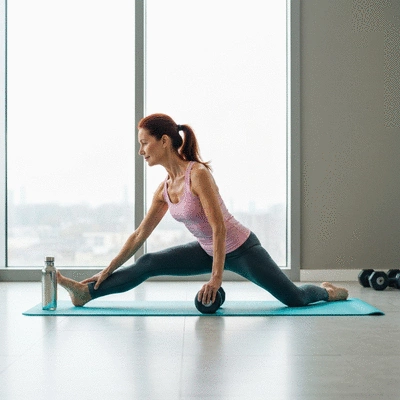
What Are Recovery Techniques and Why Are They Important?
Recovery techniques can be broadly categorized into active and passive methods. Active recovery involves engaging in low-intensity exercises that keep the body moving without adding stress, while passive recovery focuses on complete rest and relaxation. Both types are vital for ensuring your body is ready for the next workout. The National Academy of Sports Medicine (NASM) further elaborates on the science behind these methods, highlighting their role in optimizing training adaptations and preventing overtraining. For a deeper dive into the physiological benefits, explore the comprehensive research on recovery strategies in the National Institutes of Health (NIH) archives.
- Promote muscle repair and growth
- Improve overall performance
- Reduce the risk of injury
- Enhance mental well-being
The importance of these techniques cannot be overstated! They not only help your body recover but also support your mental focus, keeping you motivated on your fitness journey.
How Recovery Affects Your Fitness Journey
Incorporating effective recovery techniques into your fitness routine can significantly impact your progress. When you give your body the time it needs to recover, you’ll find yourself performing better in workouts and feeling less fatigued overall. This is key to maintaining a sustainable fitness regimen. A detailed examination of how recovery influences athletic performance and injury prevention is available through studies published by Frontiers in Physiology.
Furthermore, understanding your body’s recovery needs allows you to tailor your fitness plan. Listen to your body! If you notice signs of fatigue or soreness, it’s a signal to adjust your routine and prioritize recovery techniques. This proactive approach can lead to long-lasting success!
Types of Recovery Techniques for Optimal Fitness Results
When considering recovery techniques, it's essential to explore various options to find what works best for you. From active recovery sessions that keep you moving to passive recovery strategies that allow your body to rest, understanding these techniques can help you achieve optimal fitness results.
- Active Recovery
- Passive Recovery
- Innovative Recovery Methods
In the following sections, we'll delve deeper into each of these types, providing you with practical tips and insights on how to implement them into your fitness routine effectively.
Pro Tip
To maximize your recovery, consider incorporating foam rolling into your routine. This technique helps release muscle tightness and aids in faster recovery post-workout. Aim for at least 10 minutes of foam rolling after your sessions to improve blood flow and reduce soreness!
Frequently Asked Questions About Recovery Techniques
- Q1: What are the main benefits of incorporating recovery techniques into my fitness routine?
- A1: Incorporating recovery techniques offers several benefits, including improved muscle repair and growth, enhanced overall performance, reduced risk of injury, and better mental well-being. They allow your body to adapt and strengthen after workouts.
- Q2: What is the difference between active and passive recovery?
- A2: Active recovery involves low-intensity physical activities like walking or stretching, which keep blood flowing without adding stress. Passive recovery, on the other hand, focuses on complete rest and relaxation, such as sleep, proper hydration, and a balanced diet, for deep healing.
- Q3: How much sleep is recommended for optimal muscle recovery?
- A3: For optimal muscle repair and overall health, it is generally recommended to get 7-9 hours of quality sleep per night. Sleep is a crucial component of passive recovery.
- Q4: Why is hydration important for recovery?
- A4: Proper hydration is essential for recovery because it aids in the transport of nutrients to muscles, helps regulate body temperature, and supports metabolic processes necessary for healing and energy replenishment.
- Q5: How can I tell if I need more recovery?
- A5: Listen to your body for signs of fatigue or excessive soreness. Persistent tiredness, decreased performance, irritability, or difficulty sleeping can all indicate a need for more recovery. Adjusting your routine based on these signals is key to sustainable progress.
Summarizing the Importance of Recovery Techniques
As we dive deeper into the world of fitness, it’s crucial to remember that recovery is just as important as the workouts themselves. Without proper recovery techniques, we risk injury, burnout, and stagnation in our progress. So, how do we ensure we're giving our bodies the care they need? Let’s break it down into key takeaways!

Key Takeaways for Implementing Recovery Techniques
Implementing effective recovery techniques can significantly enhance your fitness journey. Here are some essential strategies to consider:
- Prioritize Sleep: Quality sleep is critical for muscle repair and overall health.
- Stay Hydrated: Proper hydration aids in nutrient transport and muscle recovery.
- Incorporate Active Recovery: Engage in low-intensity activities to keep blood flowing and promote healing.
- Listen to Your Body: Pay attention to signs of fatigue or soreness, and adjust your recovery accordingly.
By focusing on these elements, you’ll create a solid foundation for your recovery strategy. Remember, it’s not just about pushing harder but also about allowing your body to heal and grow stronger! For more in-depth information on the scientific basis of recovery and practical application, refer to expert insights from the National Academy of Sports Medicine (NASM).
Next Steps: Tailoring Recovery Strategies to Your Fitness Goals
Now that we’ve covered the basics, it’s time to tailor your recovery techniques to your specific fitness goals. Consider the following questions:
- What are your primary fitness objectives? (e.g., strength building, endurance, weight loss)
- How often do you plan to train each week, and what intensity will those sessions be?
- What recovery methods resonate with you personally? (e.g., massage therapy, yoga, or cold therapy)
Finding the right balance is essential. Don’t hesitate to experiment with different methods until you discover what works best for you! As the founder of Weight Loss Newsletter, I encourage you to document your recovery experiences and share them with our community. Your insights can inspire others on their journey!
Engaging with Our Fitness Community
Share Your Recovery Techniques and Experiences
We’d love to hear about your recovery techniques! What’s worked for you? Sharing your experiences can help others and foster a supportive dialogue within our fitness community. Consider posting about your favorite recovery practices on our social media platforms or in the comments section of our newsletters!
Join Our Newsletter for More Fitness Insights and Tips
Don’t miss out on valuable information tailored to busy adults striving for sustainable health. By joining our Weight Loss Newsletter, you’ll receive expert advice, personal anecdotes, and practical tips directly in your inbox. Together, we can support each other in achieving our fitness goals while prioritizing recovery!
Recap of Key Points
Here is a quick recap of the important points discussed in the article:
- Importance of Recovery: Recovery techniques are essential for muscle repair, performance enhancement, and injury prevention.
- Types of Recovery: Both active recovery (low-intensity exercises) and passive recovery (complete rest) play vital roles in fitness.
- Listen to Your Body: Pay attention to signs of fatigue and soreness to adjust your routine effectively.
- Prioritize Sleep and Hydration: Quality sleep and proper hydration are critical for optimal recovery and muscle repair.
- Tailor Your Recovery: Customize recovery strategies based on your fitness goals and personal preferences.

Grace Holloway
Grace Holloway is a dedicated health enthusiast and certified nutrition coach with over a decade of experience in helping individuals achieve their weight management goals. With a passion for evidence-based practices, Grace combines her extensive knowledge of nutrition and fitness to provide practical advice that resonates with busy adults. Her approachable style and commitment to sustainable health inspire readers to make informed choices for lasting lifestyle changes.
Popular Posts
Which Diet Fits Your Lifestyle?
![Comparing Popular Diets: Which Science-Backed Approach Fits Your Lifestyle?]() What if the key to lasting health lies not in quick fixes, but in science? Understanding diets backe
What if the key to lasting health lies not in quick fixes, but in science? Understanding diets backe
 What if the key to lasting health lies not in quick fixes, but in science? Understanding diets backe
Recovery Techniques for Better Fitness
![Recovery Techniques for Optimal Fitness Results: A Guide]() What if the missing link in your fitness journey isn't just about pushing harder, but about giving y
What if the missing link in your fitness journey isn't just about pushing harder, but about giving y
 What if the missing link in your fitness journey isn't just about pushing harder, but about giving y
Identify Hidden Toxins in Food
![Clean Eating for Weight Loss: How to Identify and Avoid Hidden Toxins in Food]() Consider the impact of your food choices not only on your weight but also on your overall health. By
Consider the impact of your food choices not only on your weight but also on your overall health. By
 Consider the impact of your food choices not only on your weight but also on your overall health. By
Selecting Home Workout Equipment Wisely
![Choosing the Right Exercise Equipment for Home Workouts]() What if you could transform your home workouts into a tailored experience that truly aligns with you
What if you could transform your home workouts into a tailored experience that truly aligns with you
 What if you could transform your home workouts into a tailored experience that truly aligns with you
