In a world where time is of the essence, meal planning emerges as a powerful ally in the pursuit of health and wellness. Embrace the simplicity and organization that comes with planning your meals, and watch as it transforms your eating habits.
What You Will Learn
Meal planning enhances nutrition by promoting a balanced diet with diverse food groups.
Effective planning supports weight control by reducing impulse eating and unhealthy choices.
Utilizing a grocery list can save money and prevent unplanned purchases at the store.
Meal prep techniques, like batch cooking, can significantly reduce cooking time and stress during busy weeks.
Understanding portion sizes is crucial for maintaining balanced eating habits and achieving nutritional goals.
This visual summarizes the core benefits and actionable techniques for effective meal planning, helping busy adults achieve their health and weight management goals.
Benefits of Meal Planning
✓ Enhance nutrition
✓ Support weight control
✓ Save money
✓ Reduce stress
Defining Nutritional Goals
➢ Assess current habits
➢ Identify SMART goals
➢ Consider your lifestyle
➢ Stay flexible
Grocery Shopping Hacks
✔ Plan meals beforehand
✔ Organize list by sections
✔ Utilize delivery services
Time-Saving Prep Techniques
+ Use smaller plates
+ Measure out servings
+ Listen to your body
+ Batch cook versatile meals
Essential Meal Planning Strategies for Busy Adults
Have you ever felt overwhelmed by meal choices during your busy week? Meal planning can be a game changer when it comes to managing your weight and enhancing your overall health. By taking the time to plan your meals, you not only save time but also make healthier choices that align with your nutrition goals. This strategy helps you avoid last-minute takeout and ensures that you have nutritious options available at your fingertips!
Meal planning isn’t just about convenience; it's about establishing a routine that fosters better eating habits. When you plan your meals, you gain control over your food choices, leading to improved portion sizes and nutrient balance. Studies have shown that individuals who engage in meal planning tend to consume fewer calories and have a more varied diet. So, let’s dive into how you can create an effective meal planning strategy tailored to your lifestyle!
Understanding the Importance of Meal Planning
When discussing the importance of meal planning, it's vital to recognize its numerous benefits. Meal planning can:
Enhance your nutrition: By organizing your meals, you can ensure that you include a variety of food groups, leading to a more balanced diet. According to Harvard T.H. Chan School of Public Health, meal preparation is a key strategy for a healthy diet. You can learn more about this at Harvard T.H. Chan School of Public Health.
Support weight control: Planning helps you avoid impulse eating, which can derail your weight management efforts.
Save money: With a grocery list in hand, you’re less likely to make unplanned purchases that can strain your budget.
Reduce stress: Knowing what you’ll eat each day eliminates the daily pressure of making food choices.
With these advantages, it’s clear that meal planning is a crucial tool for busy adults looking to maintain their health and manage their weight effectively. The best part? It’s a skill that you can learn and refine over time!
Define Your Nutritional Goals
Setting realistic nutritional goals is essential for effective meal planning. When it comes to weight management, your goals should be specific, measurable, achievable, relevant, and time-bound (SMART). Here are some tips to help you define your nutritional goals:
Assess your current habits: Take a week to track what you eat. This will give you insight into where improvements can be made.
Identify your goals: Are you looking to lose weight, maintain your current weight, or simply eat healthier? For instance, Colorado State University Extension provides excellent resources on healthy eating habits, which can be found at Colorado State University Extension.
Consider your lifestyle: Think about your daily routine and how much time you can dedicate to meal prep and cooking.
Stay flexible: Your goals should adapt as your lifestyle changes. Regularly reassessing them will keep you on track.
By aligning your meal planning with clearly defined nutritional goals, you’ll set yourself up for success. Remember, it’s all about finding what works best for you and making adjustments as needed!
Time-Saving Meal Prep Techniques
Let’s face it: Time is precious, and meal prep can often feel like another chore on a long to-do list. However, with the right strategies in place, you can streamline the process and save valuable time during your busy week!
Efficient Grocery Shopping Hacks
Creating an effective grocery list is a key part of meal planning. Not only does it help you stay organized, but it also minimizes the temptation to buy unneeded items. Here are some hacks to make your grocery shopping more efficient:
Plan your meals: Before heading to the store, outline what you want to cook for the week based on your goals.
Organize by sections: Arrange your grocery list by grocery store sections (produce, dairy, etc.) to make the shopping trip quicker.
Utilize grocery delivery services: If you’re really pressed for time, consider using grocery delivery services to skip the store altogether!
By implementing these strategies, you'll find that grocery shopping becomes a breeze, freeing up time for other priorities in your life.
Portion Control: The Key to Balanced Eating
Understanding portion sizes is crucial for maintaining a balanced diet. It’s easy to overeat when we don’t pay attention to portion control. Here are some tips to help you keep your portions in check:
Use smaller plates: This simple trick can help you visually feel satisfied with smaller portions.
Measure out servings: Using measuring cups or a food scale can provide clarity on what a proper portion looks like.
Listen to your body: Pay attention to hunger and fullness cues—get in tune with when you’re truly satisfied!
Implementing these portion control strategies can significantly impact your nutritional goals and assist in achieving weight management.
Batch Cooking and Preparing Flexible Meals
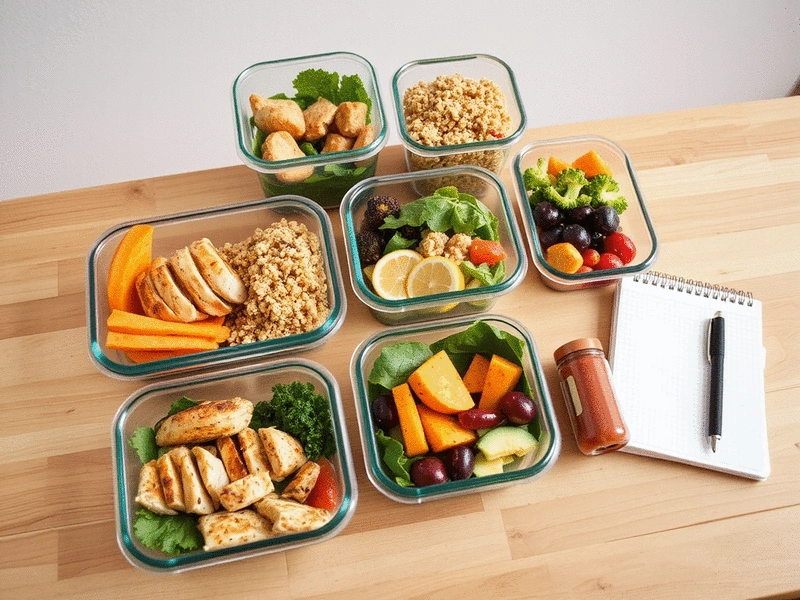
Batch cooking is a fantastic way to reduce prep time and provide versatile meal options. By cooking in larger quantities, you can create a variety of meals that cater to your tastes throughout the week. Here’s how to master batch cooking:
Choose versatile ingredients: Base meals around foods you can easily mix and match, such as grains, proteins, and vegetables.
Cook in bulk: Make larger portions of your favorite meals and store them in the fridge or freezer for easy access.
Prep buffet-style: Set up a meal prep buffet where you prepare several base ingredients and allow family or friends to create their own meals.
These techniques not only save time but also keep mealtimes interesting and enjoyable. With batch cooking, you can enjoy delicious, homemade meals even on your busiest days!
Pro Tip
Did you know? Planning your meals around seasonal produce not only enhances the flavor of your dishes but also ensures that you're getting the freshest ingredients at a lower cost. Look for local farmers' markets or seasonal produce guides to make the most of your meal planning!
Frequently Asked Questions About Meal Planning
Q: What are the main benefits of meal planning?
A: Meal planning offers numerous benefits, including enhanced nutrition, better weight control, significant cost savings, and reduced daily stress related to food choices. It also helps manage impulse eating and promotes a more balanced diet.
Q: How does meal planning help with weight control?
A: By planning meals in advance, you minimize spontaneous unhealthy eating choices and maintain better control over portion sizes. This disciplined approach supports consistent eating habits conducive to weight management.
Q: What are some effective grocery shopping hacks for meal planning?
A: Effective hacks include planning your meals before you shop, organizing your grocery list by store sections, and utilizing grocery delivery services to save time and avoid impulse purchases.
Q: What is batch cooking, and how does it save time?
A: Batch cooking involves preparing larger quantities of food once or twice a week to be consumed over several days. This saves time during busy weekdays by reducing daily cooking efforts and ensuring healthy meals are readily available.
Q: How can I define my nutritional goals for meal planning?
A: Start by assessing your current eating habits to identify areas for improvement. Set SMART (Specific, Measurable, Achievable, Relevant, Time-bound) goals, consider your lifestyle, and remain flexible as your needs evolve. For more scientific insights into meal planning's impact on diet quality, you can refer to research published in the National Library of Medicine.
Recap of Effective Meal Planning for Busy Lifestyles
As we wrap up our discussion on meal planning strategies, it's clear that incorporating these techniques into your routine can be a game changer for your weight management journey. From understanding the importance of meal planning to utilizing time-saving prep techniques, each step plays a vital role in achieving your health goals. Remember, the right strategies not only support weight control but also contribute to overall well-being!
Here’s a quick recap of the essential strategies we've covered:
Efficient grocery shopping to save time and reduce stress.
Utilizing portion control to promote balanced eating habits.
Batch cooking to cater to diverse tastes while minimizing prep time.
Incorporating seasonal produce to enhance nutrition and flavor.
Leveraging technology through meal planning apps and digital tools.
By implementing these strategies, you're setting yourself up for success in maintaining a healthy lifestyle amidst a busy schedule. Embrace these techniques, and you’ll likely find that meal planning becomes a seamless part of your week!
Encouragement to Take Action
Now that you have a solid foundation of meal planning strategies at your fingertips, it's time to take action! I encourage you to start incorporating these ideas into your daily routine. If you feel overwhelmed, don’t worry! I’ve designed a helpful downloadable checklist just for you. This checklist will guide you through each step of meal planning and help keep you organized.
Additionally, you can find a meal planning template that makes it easy to jot down your weekly meals and shopping lists. By taking that first step today, you’ll be on your way to achieving your weight management goals with confidence!
Remember, the journey to sustainable health is a marathon, not a sprint. Let's embrace it together, one meal at a time!
Recap of Key Points
Here is a quick recap of the important points discussed in the article:
Efficient grocery shopping: Plan meals and organize your grocery list by sections to save time and reduce stress.
Portion control: Use smaller plates and measure servings to promote balanced eating habits.
Batch cooking: Cook in larger quantities to create versatile meal options that cater to diverse tastes.
Incorporate seasonal produce: Enhance nutrition and flavor by using fresh, in-season ingredients.
Leverage technology: Utilize meal planning apps and digital tools to streamline your meal prep process.
Grace Holloway
Grace Holloway is a dedicated health enthusiast and certified nutrition coach with over a decade of experience in helping individuals achieve their weight management goals. With a passion for evidence-based practices, Grace combines her extensive knowledge of nutrition and fitness to provide practical advice that resonates with busy adults. Her approachable style and commitment to sustainable health inspire readers to make informed choices for lasting lifestyle changes.
Popular Posts
Which Diet Fits Your Lifestyle?
What if the key to lasting health lies not in quick fixes, but in science? Understanding diets backe
Weight Loss Newsletter is dedicated to empowering busy adults with practical, science-backed strategies for sustainable weight management. Our mission is to demystify nutrition and fitness, equipping you with actionable insights for lasting lifestyle changes.
Have you ever found yourself staring into your pantry, wondering why you just can’t seem to make healthier choices? You’re not alone! Achieving your weight loss goals can start right in your kitchen.
Think about the last time you felt truly energized after a meal. The power of nutrition lies not just in what you eat, but in how it makes you feel. Fuel your body, don't drag it down!
Let’s talk about exercise—not the dreaded chore, but rather as a joyful expression of movement. Find joy in movement and let those endorphins work their magic!
As you embark on your journey toward sustainable weight loss, remember that it’s not just about the destination; it’s about the steps you take to get there. Celebrate each victory!
Small, consistent changes lead to monumental shifts. What one simple step can you take today to move closer to your weight management goals? Start now!